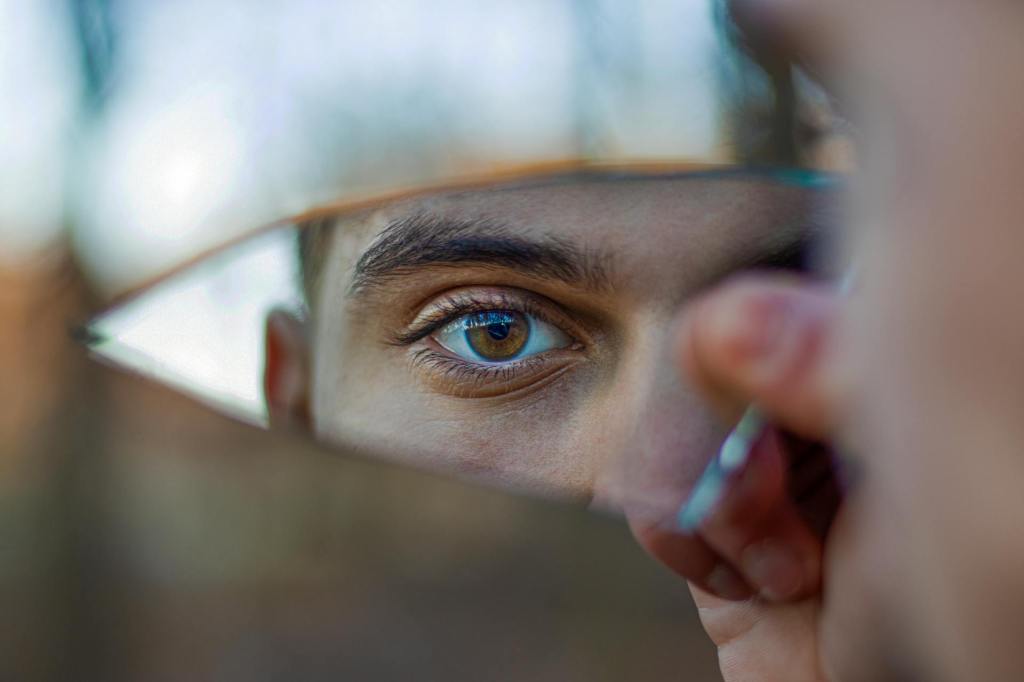
There’s a line from early-90s hip-hop that has outlived the era that produced it:“You better check yourself before you wreck yourself.” — Ice Cube (O’Shea Jackson, Sr.), Check Yo Self. It’s a warning. Watch your attitude. Think before you act. Don’t let your pride or impulses destroy you.
Three decades later, that line has become a kind of modern proverb. People use it to mean take a step back. Look at yourself. Make an adjustment before consequences make it for you.
Surprisingly, that sentiment isn’t far from the wisdom of both ancient philosophy and the Scriptures.
More than two thousand years ago, the Greek philosopher Socrates stood on trial for his life. He was accused of corrupting the youth and disrespecting the gods of Athens. During his defense, he made a statement that still echoes today: “The unexamined life is not worth living.”
He meant that a human being is made for truth, virtue, and wisdom. To live without reflection—to drift, to react, to follow impulses without thought—was, in his mind, to miss the very purpose of being human. Socrates would rather die than give up the life of honest self-examination. That’s how central it was to him.
But Scripture takes this idea even further. In Book of Proverbs 4:26 we read: “Ponder the path of your feet; then all your ways will be sure.” (ESV)
The Hebrew word translated ponder means:
- To weigh
- To measure
- To level out a road
- To make a path straight
This is not abstract introspection. It’s practical, directional thinking. The image is a traveler clearing a road before walking it, or a builder measuring before cutting the wood. There’s a great carpentry axiom, “Measure twice, cut once.”
In other words: Life is a path. Choices are steps. Destinations aren’t accidents. The proverb lays out a simple progression: Guard your heart. Control your speech. Fix your gaze. Ponder your path. Live intentionally.
Or, in plain language: Your heart shapes your focus. Your focus shapes your steps. Your steps shape your destiny. So it makes sense to pause occasionally and ask, “Where am I actually going?”
Most people don’t ruin their lives in a single moment. It happens one small, unexamined step at a time. A habit left unchecked. A resentment left to fester. A temptation rationalized. A compromise justified.
No one wakes up one day and says, “Today I think I’ll wreck my life.”
But plenty of people refuse to check themselves—and the wreck comes anyway. That’s why self-examination is not optional for a follower of Jesus. It’s basic discipleship.
The apostle Paul wrote: “Examine yourselves, to see whether you are in the faith.” 2 Corinthians 13:5a (ESV). Examine you, not your peers, not the preacher, not the public. Examine yourself. That’s tough, but it’s a beautiful spiritual discipline.
And here’s where grace changes the tone. Socrates examined life in the light of reason. Hip-hop warns us in the light of consequences. But Christians examine life in the light of grace.
We don’t look at our lives to prove our worth. We look at our lives because we are already loved.
Self-examination without grace leads to shame, denial, self-justification, pride, and or despair. But self-examination in the presence of Jesus leads to: repentance, forgiveness, transformation, and freedom. Because the Gospel tells us something crucial:
God already knows the worst about you, and he loves you anyway.
The cross of Christ is proof that the truth about us can come into the light of God’s goodness and grace. In Jesus, truth and mercy come together. So we can afford to be honest.
Biblical self-examination isn’t about obsessive introspection. It’s about intentional direction.
It asks questions like:
- Is my heart drifting from God?
- Are my words building people up or tearing them down?
- What habits are shaping my life right now?
- Where will this path lead if I keep walking it?
And most importantly:
- Am I walking in the way of the Lord, or just the way that feels easiest?
The goal is aligning my life in the grace of God with the will of God.
A simple daily prayer can do more to shape your life than a thousand good intentions: “Lord, show me where I’ve wandered today, and lead me back to your way.”
At the end of the day, ask:
- Where did I sense God’s presence today?
- Where did I resist him?
- What needs confession?
- What needs gratitude?
- What is one step of obedience tomorrow?
This is how you “ponder the path of your feet.” Not once a year. Not only when you’re in crisis. But as a regular rhythm of life with God.
Ice Cube said it bluntly. Socrates said it philosophically. Proverbs says it wisely. And the gospel says it graciously:
Check yourself—not to condemn yourself, but so God can correct, heal, and direct your life.
So take a moment today. Pause. Look at your path. Tell the truth about your heart. And let the grace of God put your feet back on solid ground. Because in the kingdom of God, checking yourself is not how you wreck yourself—it’s how God rescues you.
Video Version: https://youtu.be/JFKddoS7EqI





 Flourishing Life
Leave a comment